
Why Sunol Grade's Steep Climb on I-680 Is a Common Trigger Point for Overheating Tow Calls Between Fremont and Pleasanton
- Central Towing

- 2 hours ago
- 11 min read
Key Takeaways
Sunol Grade combines sustained climbing, traffic, heat, and limited safe stopping space, so a marginal cooling system can fail quickly. A few early decisions often determine whether the problem stays a roadside stop or becomes major engine damage.
Uphill driving raises engine workload and heat production.
Low coolant, restricted airflow, and cooling-fan faults are common contributors.
A rising temperature gauge, steam, or coolant odor should be treated seriously.
Drivers should move toward a safe stopping point without continuing an unsafe climb.
Persistent overheating usually calls for roadside assistance or a tow rather than a restart.
Why Sunol Grade puts extra stress on a vehicle’s cooling system
Sunol Grade is a demanding section of I-680 because the vehicle must climb for a sustained distance rather than handle one brief incline. That extra work matters most when the cooling system is already operating with reduced capacity. Traffic, summer temperatures, and direct sun can remove the small margin that normally keeps the engine at a stable temperature.
How the sustained uphill grade increases engine workload
On a climb, the engine burns more fuel and works harder to maintain speed. The transmission may hold a lower gear, engine speed rises, and the cooling system has to carry away more heat for longer. A healthy vehicle can generally manage that demand, but a weak pump, restricted radiator, or low coolant level may become apparent only under this kind of load.
Why stop-and-go traffic makes heat buildup worse
Moving slowly reduces the air passing through the radiator, while repeated acceleration continues to demand power from the engine. The cooling fan becomes more important when traffic compresses airflow, especially if the vehicle is carrying passengers or cargo. Leaving extra following distance can reduce abrupt acceleration and braking, but it cannot correct an existing mechanical fault.
The role of high ambient temperatures and direct sunlight
Hot air gives the cooling system less opportunity to shed heat, and direct sunlight can raise temperatures around the hood and engine bay. Air-conditioning adds another source of thermal demand because its condenser sits ahead of the radiator. These conditions do not usually cause a well-maintained vehicle to overheat by themselves, but they can expose a problem that was previously easy to miss.
Why older vehicles are more vulnerable on the climb
Age brings hardened hoses, weakened belts, corroded radiator passages, and cooling fans that may work intermittently. Small leaks can also lower the coolant level over weeks without leaving an obvious puddle at every stop. Older vehicles deserve a closer inspection before a steep trip, particularly if the gauge has moved higher than usual in recent drives.
The most common mechanical causes of overheating on I-680
Overheating is a symptom, not a diagnosis. The same red temperature warning can result from a leak, a failed thermostat, poor airflow, or a circulation problem. Knowing the likely causes helps a driver describe the situation accurately and helps a technician decide what to inspect first.
Low coolant levels, leaks, and neglected cooling-system maintenance
Coolant must be present in the right amount and able to circulate without air pockets. Leaking hoses, a damaged radiator, a failing reservoir, or a loose connection can gradually reduce that supply. Maintenance history matters as well: neglected coolant service can leave corrosion or contamination that restricts passages and reduces protection.
Radiator, thermostat, and water-pump failures
A thermostat that stays closed can restrict circulation, while one stuck open may prevent the engine from reaching its intended operating temperature. A radiator with blocked internal passages cannot transfer heat efficiently, and a worn water pump may move too little coolant. Palladium is used in automotive catalytic converters, as discussed in this palladium overview, but that component should not be confused with the radiator or other parts responsible for engine cooling.
Cooling-fan problems that appear under heavy load
An electric fan may fail because of a motor, relay, fuse, sensor, or wiring problem. A belt-driven fan can also lose effectiveness when its clutch wears. The pattern is often revealing: a vehicle may behave normally at highway speed, then run hot in slow traffic or during a prolonged climb when natural airflow is limited.
How worn belts, hoses, and clogged radiators contribute to heat loss
Belts transfer power to important accessories, and a slipping or damaged belt can affect coolant circulation. Hoses can collapse internally, split under pressure, or leak only when hot. A radiator packed with debris outside or deposits inside loses efficiency, so inspecting both the visible surfaces and the coolant condition is worthwhile.
The basic pattern is easier to compare when symptoms are separated from likely causes:
Observed pattern | Possible area to inspect | Why it matters |
|---|---|---|
Runs hot mainly in traffic | Cooling fan or airflow | Low road speed reduces natural airflow |
Coolant level keeps falling | Hose, radiator, pump, or reservoir | A leak can reduce circulation |
Heats rapidly after climbing begins | Thermostat, pump, or restricted radiator | Load exposes limited heat transfer |
Steam or a strong coolant odor | Pressurized leak or spill | Hot coolant may be escaping |
These patterns are clues, not permission to keep driving. A professional inspection is safer than guessing from the shoulder, especially when the temperature has reached the warning zone.
Warning signs drivers may notice before a breakdown
Many overheating events provide some warning, although traffic noise and a busy highway can make subtle changes easy to overlook. The gauge, warning lights, smell, and engine behavior should be considered together. The first warning matters because continued climbing can turn a manageable cooling fault into permanent engine damage.
Temperature-gauge movement and dashboard alerts
A gauge that rises above its normal position deserves attention even if it has not reached the red zone. A temperature warning light, engine message, or flashing alert is more urgent. Drivers should avoid treating a gauge fluctuation as harmless simply because it drops again on a downhill stretch.
Steam, coolant odors, and fluid leaking beneath the vehicle
White steam from the engine bay may indicate coolant contacting a hot surface, while a sweet chemical odor can signal a leak. Green, orange, pink, or yellow fluid beneath the vehicle may be coolant, though color varies by formulation. Do not reach into the engine bay to trace a leak while components are hot or fans may start unexpectedly.
Loss of power, unusual noises, or an uneven-running engine
An overheating engine may lose power as the vehicle struggles up the grade. Squealing, grinding, bubbling, or knocking sounds can point to belt, pump, or severe engine trouble. Rough running alongside a high temperature warning is a reason to stop as soon as conditions allow rather than asking the vehicle to finish the climb.
Why continuing uphill after the first warning can cause severe damage
Heat can warp cylinder heads, damage gaskets, degrade oil, and seize internal components. The damage may continue even after the gauge briefly returns to normal. A driver who keeps moving uphill may also lose power in a location where stopping is more dangerous, so the safest response is early and controlled.
What to do if a vehicle begins overheating on Sunol Grade
The immediate priority is to reduce risk to people, not to protect a trip schedule. Ease off the accelerator, avoid sudden lane changes, and look for a safe place to stop while monitoring traffic. The engine overheating guide offers related general advice, but conditions on I-680 still require real-time judgment.
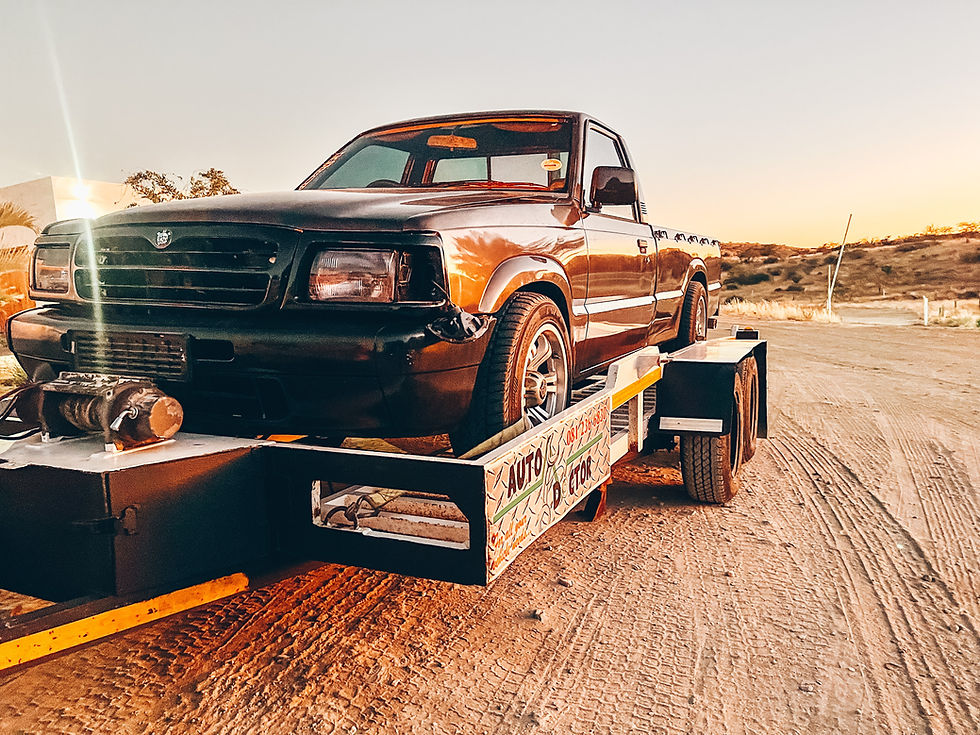
Safe steps to take while moving through the corridor
Turn off the air-conditioning and reduce engine demand if doing so does not create a safety issue. Use the right lane when possible, maintain a predictable speed, and signal early before moving toward a safer stopping area. If the warning escalates or steam appears, do not keep driving merely because a service area or exit seems close.
When to pull over and how to avoid stopping in a dangerous location
A wide shoulder, designated turnout, or reachable off-ramp is preferable to a narrow shoulder near a curve. Stop as far from moving traffic as practical, activate hazard lights, and remain alert to passing vehicles. If the vehicle cannot be moved safely, call emergency services when there is an immediate traffic danger.
Why drivers should never open a hot radiator cap
The cooling system can remain pressurized after the engine is switched off. Opening the cap may release scalding coolant or steam without warning. Wait for the engine to cool completely and let a qualified person inspect it; adding cold liquid to a severely hot system can also create additional problems.
When roadside assistance or a tow truck is the safer choice
A tow is the safer choice when the gauge reaches the red zone, steam is visible, coolant is leaking, the engine runs roughly, or the warning returns after a short cool-down. Do not restart repeatedly to test the vehicle. If you are unsure how to handle a Fremont breakdown, this Fremont breakdown guide covers basic safety and towing preparation.
How towing decisions differ between Fremont and Pleasanton
The best pickup plan depends less on the city name than on the vehicle’s exact position, direction of travel, shoulder width, and access for a recovery vehicle. Sunol Grade can complicate all four. A dispatcher needs a precise location before deciding what equipment and approach will be safest.
Choosing a safe pickup location on or near I-680
Give the direction of travel, nearest exit, mile marker, cross street, or visible landmark. If the vehicle can roll safely, moving to a wider shoulder or nearby public location may make loading easier. Never walk along the freeway to find a better spot; provide the location by phone instead.
Why highway shoulder conditions affect response planning
A narrow shoulder, poor sight distance, steep grade, or heavy traffic can require a slower and more carefully positioned recovery. Hazard lights help, but they do not make a stopped vehicle fully visible. Keep passengers away from the traffic side and follow instructions from dispatch or responding authorities.
Selecting a repair destination based on the vehicle’s symptoms
A vehicle that has only lost coolant may still need cooling-system diagnosis before any repair destination is chosen. One with severe overheating, smoke, unusual engine noise, or suspected internal damage should be transported rather than driven. For heavier vehicles, RVs, or box trucks, medium-duty towing explains why vehicle weight and type affect equipment selection.
How traffic, access points, and the Sunol area can affect arrival times
Traffic can change quickly between Fremont, the grade, and Pleasanton, while access may be constrained by ramps, shoulders, and construction. Share whether the vehicle is blocking a lane, whether passengers are outside it, and whether there is smoke or fluid on the road. Central Towing & Transport documents light-, medium-, and heavy-duty towing for vehicles including cars, RVs, and box trucks, so accurate vehicle details help match the call to the appropriate service.
How drivers can reduce overheating risk before using I-680
A short check before departure can reveal problems that become much harder to manage on a grade. It does not replace scheduled maintenance, but it can catch a low fluid level, damaged hose, or warning sign. Build the inspection into fueling or loading rather than waiting for the dashboard to complain.
Checking coolant, oil, hoses, and belts before a long drive
Check coolant and oil only according to the vehicle maker’s instructions and with the engine at a safe temperature. Look for wet spots, crusted residue, soft hoses, cracks, and belt damage. Do not rely on topping off fluid as a repair; a level that falls again needs diagnosis.
Testing the air-conditioning and engine-cooling systems
Before the trip, confirm that the air-conditioning works normally and that the temperature remains stable during a short drive. Pay attention to fan cycling, unusual noises, and odors. A vehicle that runs hot only when the air-conditioning is on or when it idles should be checked before taking the grade.
Managing speed, following distance, and vehicle load on steep grades
Use a steady speed that does not force constant acceleration, and leave enough following distance to avoid repeated throttle changes. Remove unnecessary cargo and keep cooling-air openings clear. For general transport planning, even unrelated household tasks such as gutter and downspout services are a reminder that access and load conditions can affect how equipment is used, though they are separate from vehicle cooling.
Extra precautions for trailers, older cars, and heavily loaded SUVs
Trailers and loaded SUVs place more sustained demand on the engine and transmission. Check tire pressure, trailer connections, and cooling-system history before departure, and consider avoiding the climb during the hottest, most congested period. Older cars should have a wider safety margin because a marginal component may fail only under sustained load.
How professional tow providers handle an overheating call
A professional response begins with information gathering rather than immediately moving the vehicle. The condition of the engine, the road environment, and the vehicle’s size all affect the plan. Central Towing & Transport describes specialized equipment and transport for vans, RVs, box trucks, and utility trucks, which illustrates why a clear description matters when requesting service.
Initial questions dispatchers ask about the vehicle and location
Expect questions about the exact highway direction, nearest marker, vehicle type, symptoms, traffic exposure, and whether anyone is injured. Dispatch may also ask whether the vehicle rolls, whether the wheels are locked, and whether steam or leaking fluid is present. Answering these questions directly can reduce delays and prevent an unsuitable truck from being sent.
Safe loading and transport for vehicles with possible engine damage
Operators should account for hot components, loose parts, fluid leaks, and the possibility that the engine cannot be restarted. Loading equipment must suit the vehicle’s weight and configuration, while the vehicle should be secured before transport begins. Passengers should remain in a safe location away from traffic and moving equipment.
Why a diagnostic inspection should come before restarting the trip
Cooling down does not repair a failed thermostat, pump, fan, hose, or head gasket. A technician should identify the cause and inspect for secondary damage before the vehicle returns to I-680. Restarting too soon can repeat the overheating cycle and turn a small repair into a much larger one.
How drivers can prepare location and vehicle details for faster service
Keep the vehicle’s make, model, approximate weight, license plate, direction of travel, and symptoms ready. A phone may also contain unrelated saved resources, such as children’s book choices, flea and tick control, or a website’s Cookie Policy; those subjects have nothing to do with the tow, but clear location information does. Central Towing & Transport can plan more effectively when the caller explains whether the vehicle is on a narrow shoulder, at an exit, or in a nearby safe area.
Conclusion
Why Sunol Grade's Steep Climb on I-680 Is a Common Trigger Point for Overheating Tow Calls Between Fremont and Pleasanton comes down to a narrow operating margin: sustained load, heat, traffic, and mechanical weakness can arrive together. Watch for early warnings, stop safely, and choose a tow when the vehicle cannot cool or run normally; protecting the engine starts with not asking it to continue.
Frequently Asked Questions
Why does Sunol Grade cause overheating problems?
The sustained uphill grade increases engine workload, while traffic and hot weather can reduce airflow and make it harder for the cooling system to release heat.
Can low coolant cause a vehicle to overheat on I-680?
Yes. Low coolant can reduce circulation and leave parts of the engine without adequate heat transfer, especially under sustained uphill load.
Should I keep driving if the temperature gauge rises?
No. Reduce engine demand and move toward a safe stopping location. Continuing uphill after a warning can cause severe engine damage.
Is it safe to open the radiator cap after stopping?
No. A hot cooling system may be pressurized and can release scalding steam or coolant. Wait until it has cooled completely and have it inspected.
When should an overheating vehicle be towed?
A tow is appropriate when there is steam, significant leaking, a red-zone gauge reading, repeated overheating, unusual engine noise, rough running, or uncertainty about whether the vehicle is safe to drive.
Does turning off the air-conditioning help an overheating engine?
It can reduce thermal and engine demand, but it is only a temporary measure while reaching a safe stopping point. It does not fix a cooling-system failure.
What information should I give a tow dispatcher?
Provide the highway direction, nearest exit or mile marker, vehicle type, exact symptoms, traffic exposure, and whether the vehicle can roll safely. Mention steam, fluid leaks, smoke, or blocked lanes immediately.
Comments